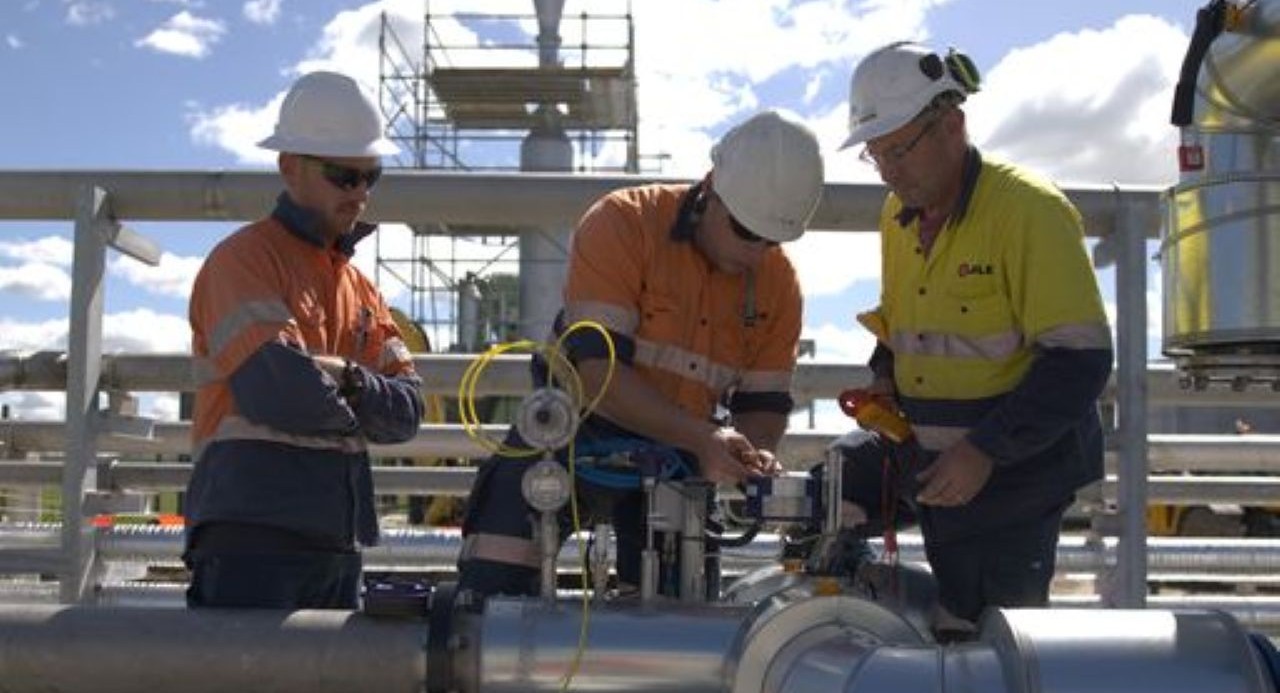
In complex industrial environments, project success depends on coordination, clarity, and control. When multiple contractors operate independently across design, electrical, mechanical, and commissioning phases, risk multiplies. That’s why turnkey construction models are becoming increasingly attractive to infrastructure developers and industrial clients seeking certainty in delivery.
Turnkey delivery brings all elements of a project under one accountable contractor – from concept through to commissioning. Instead of managing multiple vendors and navigating interface disputes, clients work with a single team responsible for performance,schedule, and quality outcomes.
For organisations delivering high-value infrastructure, this integrated approach significantly reduces risk while improving cost control and efficiency.
What Turnkey Delivery Means in Practice
In practical terms, turnkey delivery means a sole contractor takes responsibility for the entire project lifecycle. This include
- Design coordination and engineering
- Procurement and fabrication
- Electrical and mechanical installation
- Instrumental and controls integration
- Testing, commissioning, and handover
Rather than dividing scope between separate design consultants, electrical contractors, mechanical installers, and commissioning specialists, a turnkey model aligns these functions under one leadership structure.
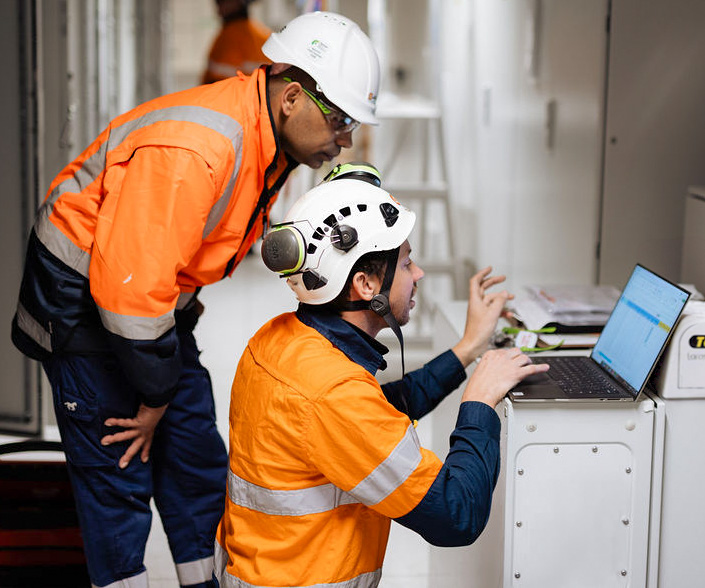
This approach is particularly valuable in industrial settings where systems are tightly interconnected. Electrical distribution, mechanical equipment, automation platforms, and safety systems must function as one cohesive unit. A fragmented delivery structure often creates interface risks, where responsibilities overlap or fall between contractors.
In contrast, turnkey construction ensures that integration is planned and managed from day one.
The Problems with Fragmented Project Models
Traditional project models often rely on multiple independent contractors, each responsible for their own portion of work. While this may appear flexible, it frequently introduces avoidable challenges.
Common issues include:
1. Interface Disputes
When problems arise, contractors may attribute responsibility elsewhere. This slows resolution and increases administrative burden for the client.
2. Schedule Misalignment
Electrical works may not align with mechanical completion. Commissioning teams may discover installation inconsistencies. These disconnects can lead to rework and delays.
3. Increased Risk Exposure
Multiple contractors mean multiple contracts, insurances, and safety systems. Without clear integration, risk management becomes fragmented.
4. Higher Lifecycle Costs
When design and construction teams operate independently, long-term maintainability and operational efficiency can be overlooked.
Industrial projects are inherently complex.Layering complexity in the delivery structure often amplifies cost and schedule risk, particularly in high-voltage, hazardous, or remote environments.
Benefits of Single Point Accountability
Single point accountability streamlines decision-making and simplifies governance. For infrastructure developers and industrial clients, the advantages are significant.
Clear Responsibility
With one contractor accountable for outcomes, there is no ambiguity around performance. Challenges are resolved internally rather than escalated across contractual boundaries.
Improved Cost Control
Turnkey construction projects enable more accurate budgeting because scope integration reduces duplication, rework, and contingency inflation. Procurement can be aligned across disciplines, creating economies of scale.
Seamless Integration
Electrical, mechanical, and control systems are designed and installed with full visibility across disciplines. This improves commissioning efficiency and long-term asset performance.
Faster Decision-Making
A unified project leadership team reduces communication layers. Changes can be assessed quickly, with clear understanding of downstream impacts.
Stronger Safety Alignment
A single contractor ensures consistent safety systems, training protocols, and reporting structures. This reduces confusion and strengthens overall compliance.
For clients seeking certainty, this integrated approach transforms project delivery from a coordination exercise into a performance-driven partnership.
How JLE Proves the Value of Integrated Delivery
JLE’s capability across electrical, mechanical, instrumentation, and fabrication services positions us as a strong turnkey partner for industrial and infrastructure projects.
Our integrated delivery model combines:
- Engineering and design coordination
- In-house fabrication and workshop capability
- Electrical and mechanical installation
- Instrumentation and control systems
- Testing, commissioning, and documentation
By aligning these services under one accountable team, JLE reduces project complexity for clients.
Our experience across energy, processing, water, and infrastructure sectors demonstrates how integrated delivery improves outcomes. From high-voltage installations to complex process plant upgrades, we’ve supported clients through coordinated project execution that minimises downtime and operational risk.
Across sectors, clients consistently choose turnkey construction projects because they provide clarity and accountability –and JLE’s track record reinforces the value of that approach.
You can explore the breadth of our capabilities and review examples of integrated delivery across industries on our Projects page.
A Smarter Way to Deliver Industrial Projects
As industrial and infrastructure projects grow in scale and technical complexity, delivery models must evolve accordingly. Turnkey construction offers a structured, accountable, and risk-mitigated pathway from design through to commissioning.
For infrastructure developers and industrial clients seeking streamlined delivery, reduced risk exposure, and predictable outcomes, single point accountability isn’t just convenient – it’s strategic.
By consolidating responsibility under one experienced contractor, clients gain certainty, control, and confidence in project performance.
If you’re planning your next industrial development and want to explore the benefits of integrated delivery. Contact us to learn how JLE can support your project from concept to completion.